
Elon MuskSpaceX and Tesla
Elon Musk expects a research fabrication line to be running by around June 2027 and hopes it can produce Terafab’s first test chip then.
Event archive · Austin, TX · November 17–18, 2026
Key developments in AI, infrastructure and capital from two days of TomorrowX.
Elon MuskSpaceX and Tesla
Elon Musk expects a research fabrication line to be running by around June 2027 and hopes it can produce Terafab’s first test chip then.

Dina Powell McCormick
TomorrowX has published the full session with Meta President and Vice Chairman Dina Powell McCormick and Antonio Gracias.

Michael Dell
TomorrowX has published the full session with Michael Dell and moderator Gavin Baker.
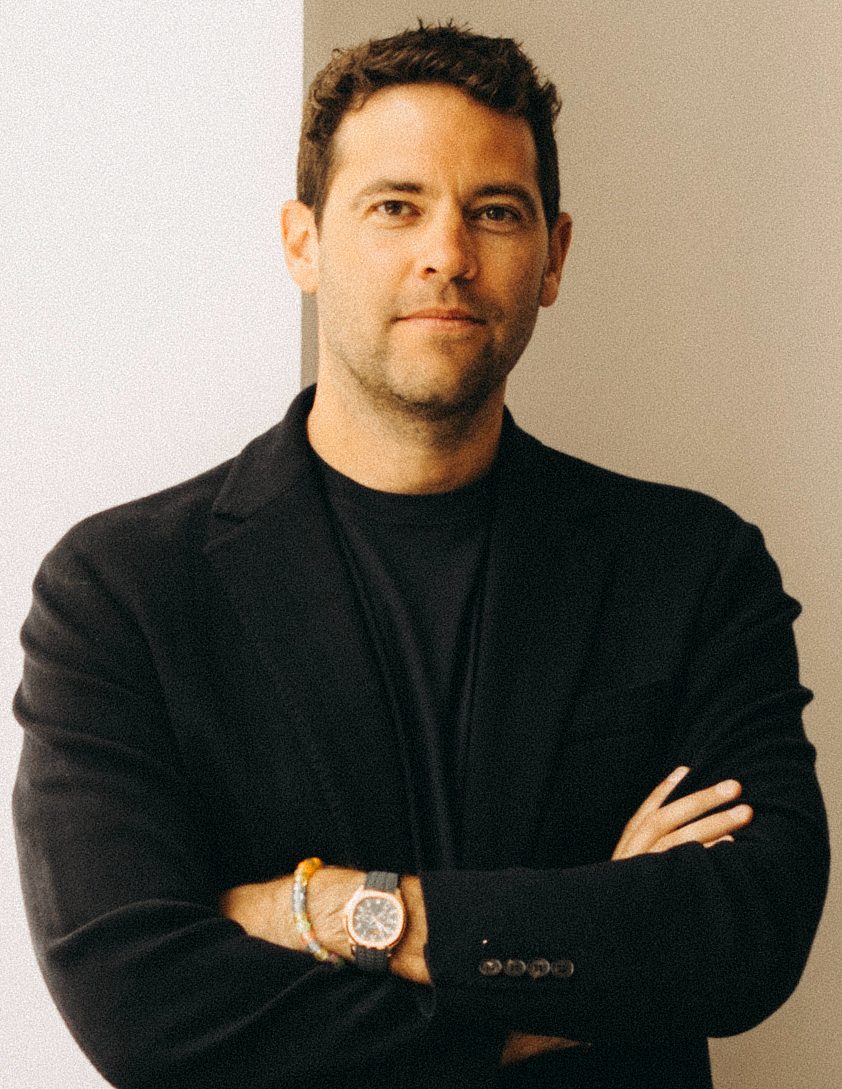
Brannin McBeeCoreWeave
CoreWeave expects contracts on roughly 300,000 GPUs to expire in 2027 and 2028.
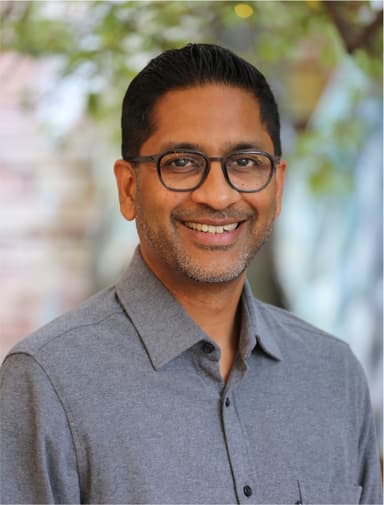
Paddy SrinivasanDigitalOcean
DigitalOcean can run its software on third-party hardware if it needs more capacity, according to CEO Paddy Srinivasan.

Sanjay MehrotraMicron Technology
Micron chief executive Sanjay Mehrotra reiterated that customers have committed to about 75% of its 2027 output.

Lisa Su
At TomorrowX, AMD CEO Lisa Su said one Anthropic engineer got Claude running on AMD hardware over a weekend.
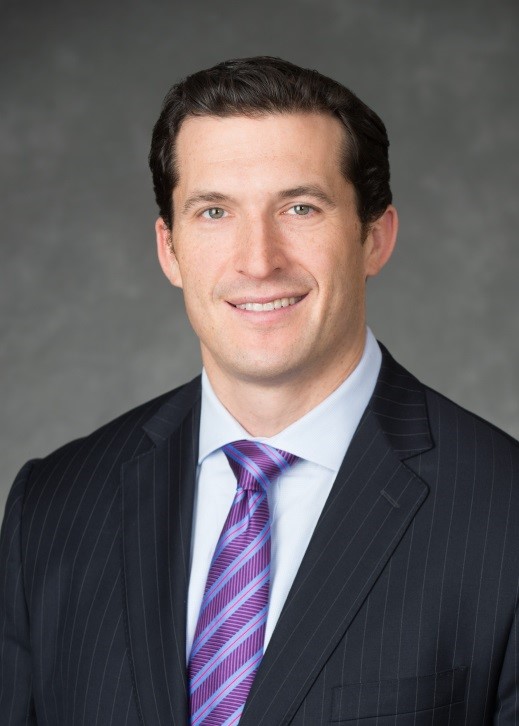
Jed FinnMorgan Stanley
Morgan Stanley’s head of wealth management favors matching who can invest in a private company with how much it discloses.
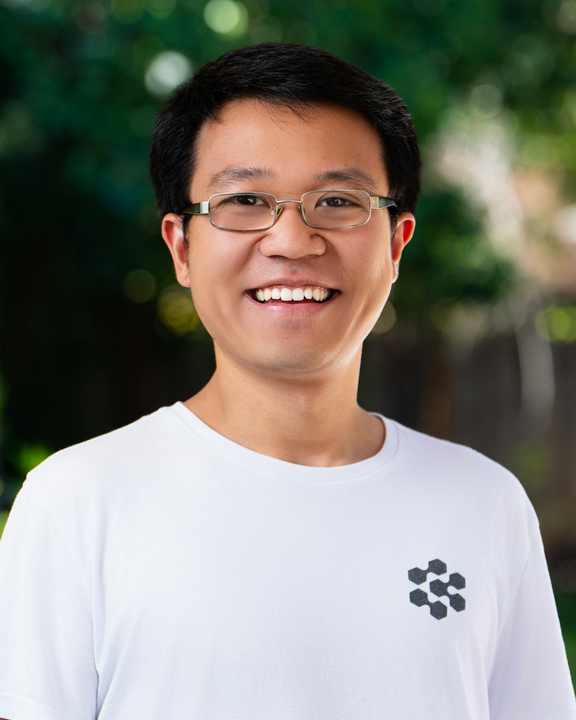
Scott WuCognition
Cognition’s Devin Bots can coordinate coding agents around an ongoing goal.
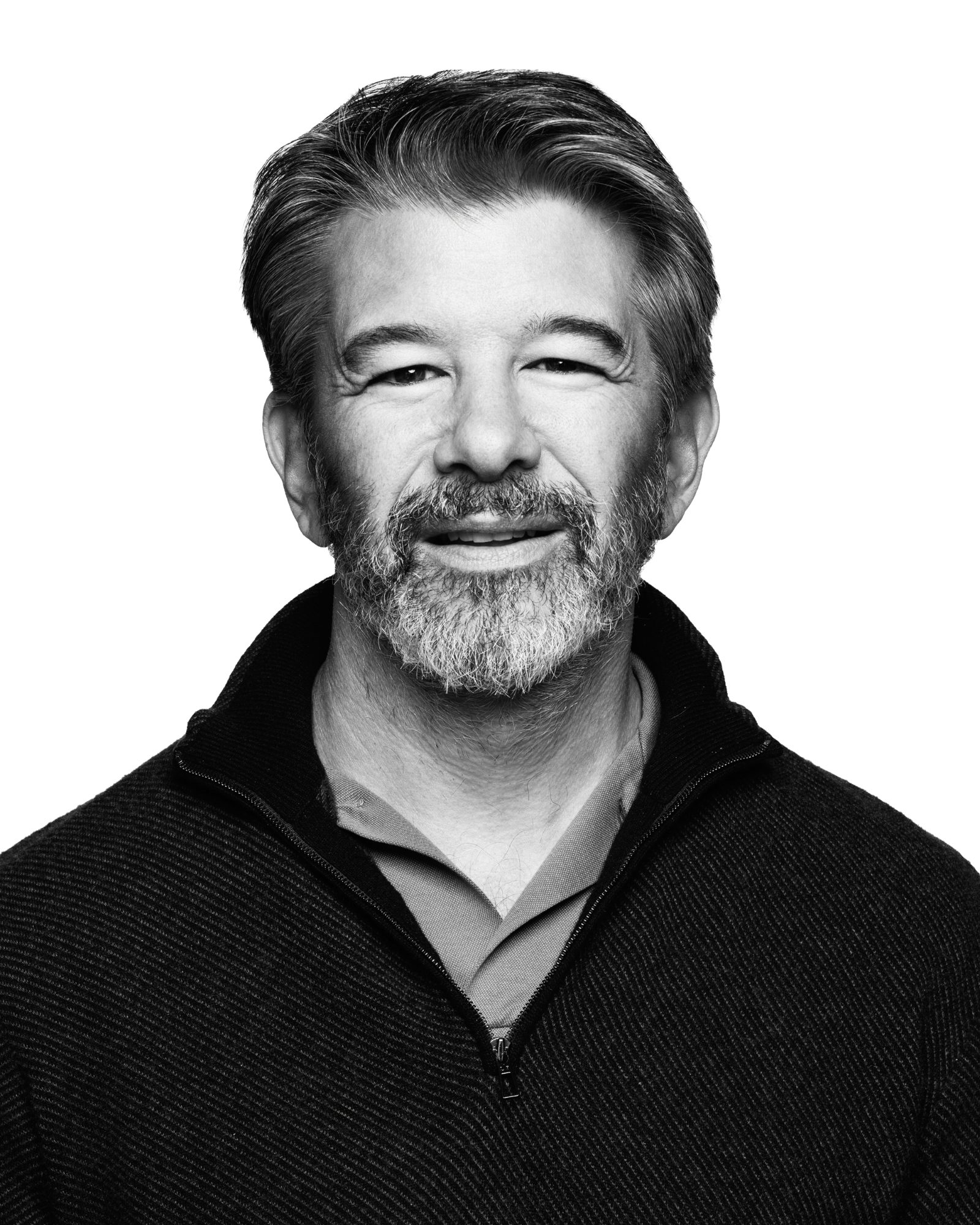
Travis KalanickAtoms
Atoms CEO Travis Kalanick told TBPN at TomorrowX that a Pittsburgh factory for food robots is slated for the first quarter of 2027.
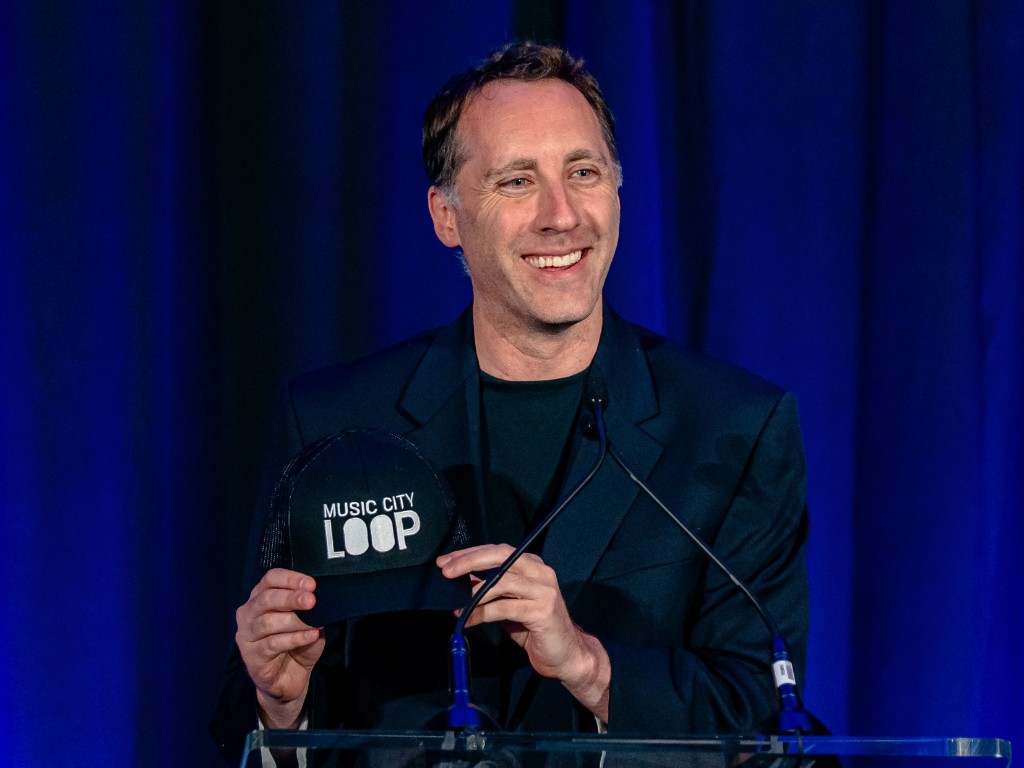
Steve DavisThe Boring Company
President Steve Davis described a design goal for the company’s tunnel-boring machines.
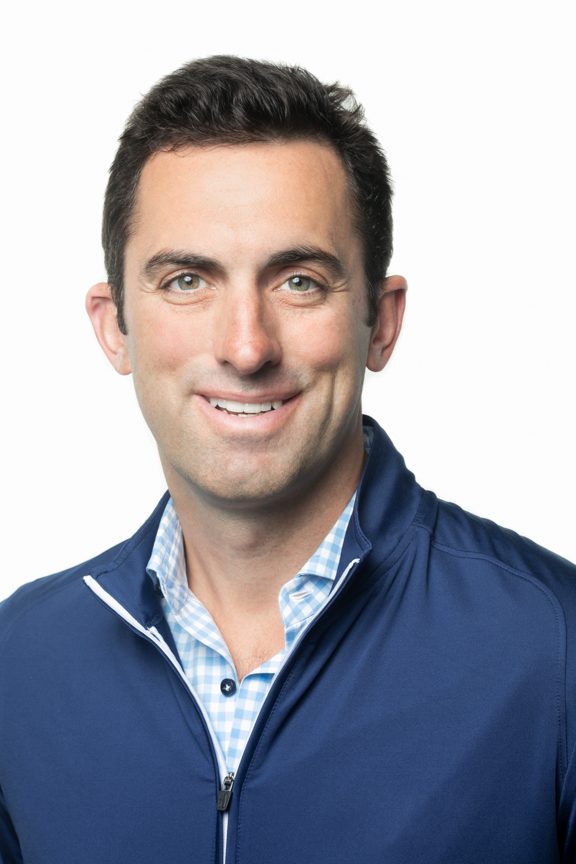
Scott GoodwinDiameter Capital Partners
Diameter co-founder Scott Goodwin warned that prepayments and guarantees can come at a cost to specialist cloud operators.
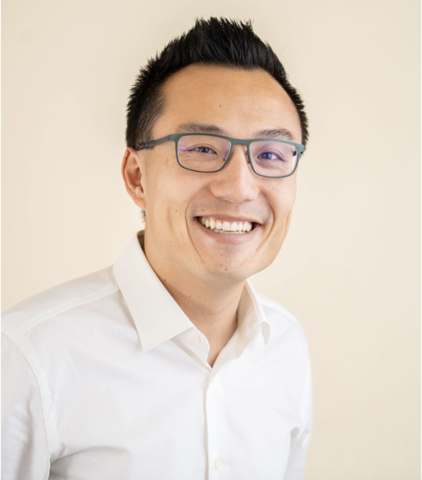
Tony XuDoorDash
CEO Tony Xu framed the proposed $17 billion deal as a way to spread grocery fulfillment costs over more orders.

Lip-Bu Tan
At TomorrowX, Intel CEO Lip-Bu Tan said the 18A process yield had improved to 70% from a “horrible” level when he took over.
Jon Gray
At TomorrowX, Blackstone President Jon Gray said markets remain on high bubble alert but are not comparable with the late-1990s dot-com boom, and that negativity has gone too far.
Rene HaasArm
As agents call tools and run more tasks in parallel, servers need more CPU capacity to coordinate the work, in Arm CEO Rene Haas’s view.

The official iConnections channel launched the Day 2 broadcast from TomorrowX in Austin; the stream began on November 18 at 10:18 a.m.

David Solomon
In the official 20-minute recording, Goldman Sachs CEO David Solomon describes the AI selloff as a recalibration within a long cycle rather than its end.
Lip-Bu TanIntel
CEO Lip-Bu Tan outlined an Intel-designed product on the 14A manufacturing process and estimated 2028 or 2029 for volume production for outside customers.
Jon GrayBlackstone
Blackstone president Jon Gray sees room for more data center capacity as power, permits and financing limit what developers can deliver.
Laura Harrison, PhDValor Equity Partners
When a threat takes over your attention, other options can fall out of view.

Bret Johnsen
At TomorrowX, Bret Johnsen said SpaceX could become one of the largest AI infrastructure players if it meets its stated 2027 targets.
Lisa SuAMD
AMD plans to develop its hardware roadmap with partners as AI infrastructure expands.
Elon Musk
TomorrowX added Elon Musk to the official “On the stage” lineup, listing him as SpaceX founder and chief executive and Tesla CEO.

Stanley Druckenmiller
In the full official TomorrowX session, Stanley Druckenmiller assigned at least a 70% chance to data centers operating in space and a 20% chance that fusion will exist (or be clearly within reach) within ten years.
Stanley Druckenmiller
Capital preservation is now Druckenmiller’s priority after replacing almost all of his January portfolio.
Bret Johnsen
SpaceX expects to fund much of its compute expansion with operating cash flow, customer prepayments and supplier terms.
Gavin BakerAtreides Management
Scarce wafers, higher real rates and wider credit spreads are slowing investment, in Gavin Baker’s assessment.
Marc Rowan
AI infrastructure could require as much as $8 trillion in financing, in Apollo CEO Marc Rowan’s estimate.
Dylan FieldFigma
AI makes it easier to build software and explore more ideas.
Brad Gerstner
Orders for Anthropic’s IPO were about ten times the shares available, according to investor Brad Gerstner.
Zach DellBase Power
AI tokens depend on electricity, powered facilities and rented GPU time.
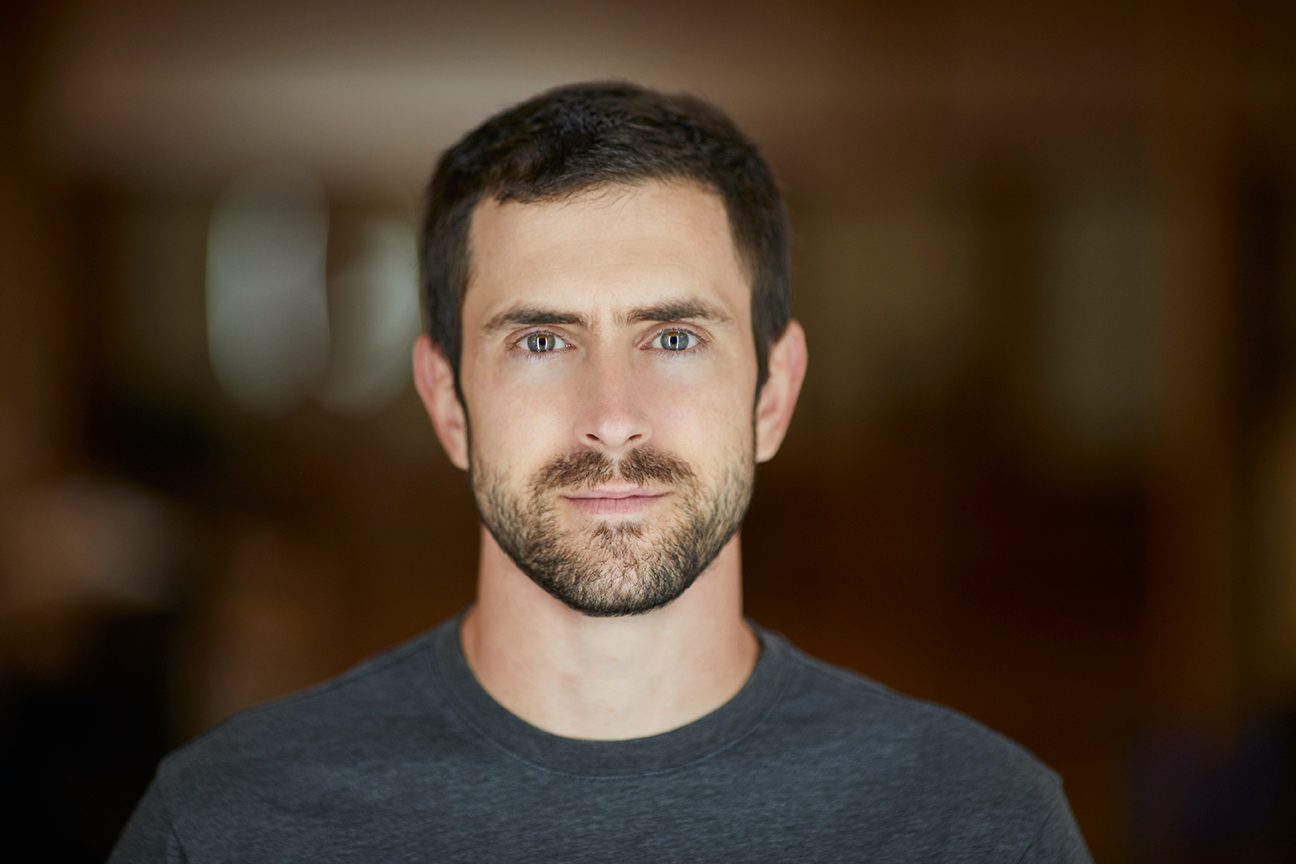
Keller Rinaudo ClifftonZipline
Zipline began commercial flights in Rwanda in 2016, delivering blood to health facilities.

Brian ArmstrongCoinbase
Coinbase is building self-custody wallets and payment tools for AI agents.
Bret Johnsen
At TomorrowX, SpaceX CFO Bret Johnsen reiterated plans to begin launching next-generation Direct-to-Cell satellites in 2027 and activate “5G-quality” service in the first half of 2028.
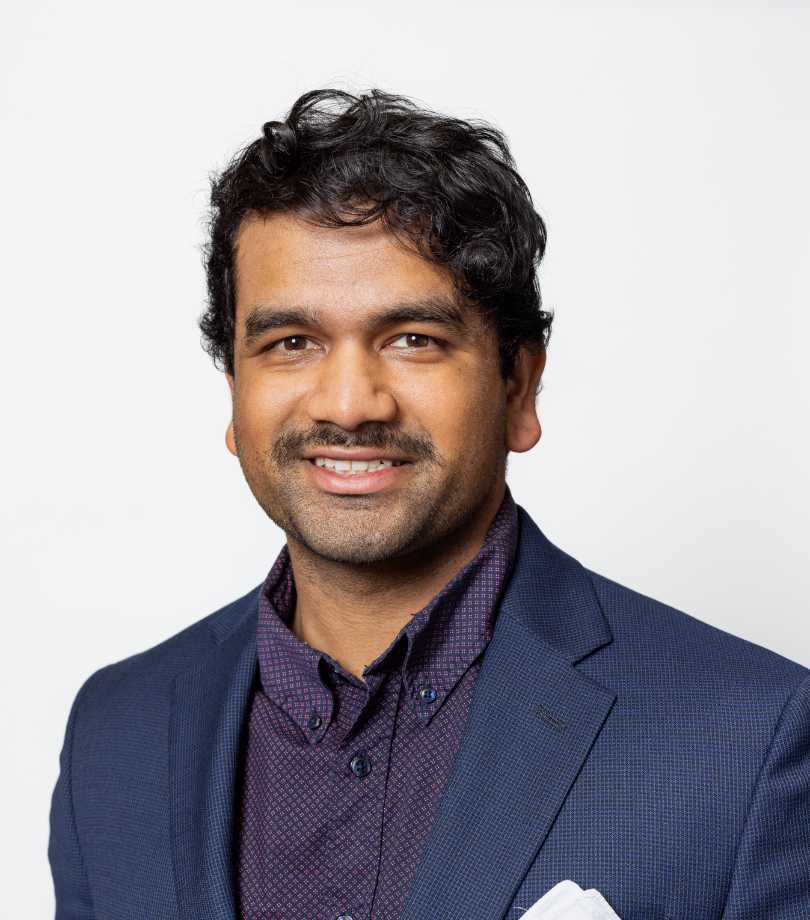
Vibhav AltekarSaronic
The Franklin, Louisiana, shipyard grew from about 28 workers at acquisition to about 400 by the summit, according to Saronic CTO Vibhav Altekar.

Jensen HuangWithdrew from Day 2
Jensen Huang pulled out of TomorrowX’s second day, the Austin American-Statesman reports.
Michael DellDell Technologies
Michael Dell expects workers to need new skills as AI improves.

Andrew FeldmanCerebras
Cerebras uses AMD hardware to process prompts and its own chips to generate answers.
Bret JohnsenSpaceX
SpaceX is targeting 2027 for its first orbital computing satellites.
Bret JohnsenSpaceX
On stage at TomorrowX, Johnsen put the cost of the company’s first few gigawatts of ground-based AI infrastructure in the low to mid $30s per watt.
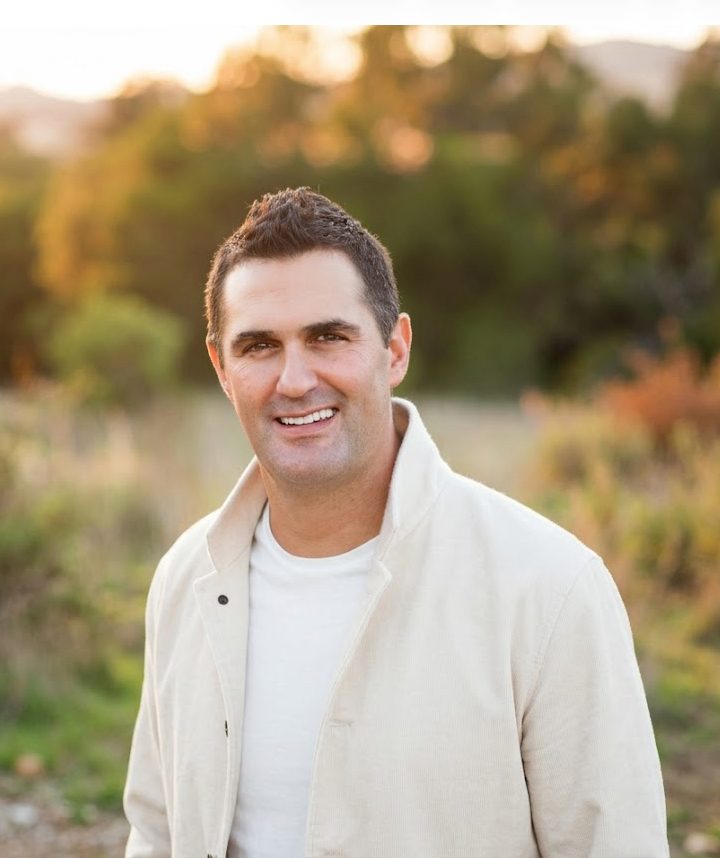
Alex DavisDisruptive
Disruptive’s $10 billion fund targets about 10 private technology companies at growth and late stages.
Andrew FeldmanCerebras
Trading and live security monitoring lose value if a response arrives too late.
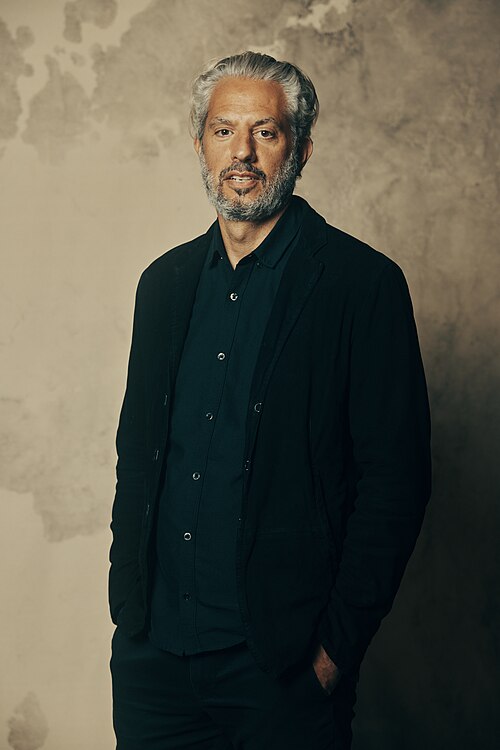
Guy OsearySound Ventures
Get Access matches companies raising private capital with selected musicians, actors and executives.
David SolomonGoldman Sachs
AI applications could extend Goldman’s reach with clients.
Ron BiscardiiConnections
TomorrowX brought a familiar institutional-investor format to a wider audience.
Chase LochmillerCrusoe
Low-cost, underused power can make more sites viable for AI computing, in Crusoe CEO Chase Lochmiller’s view.
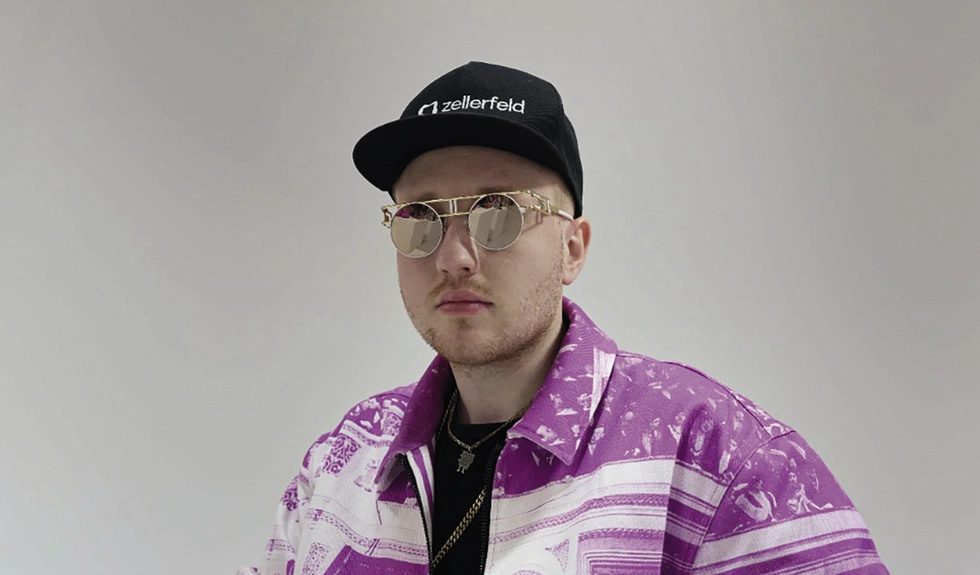
Cornelius SchmittZellerfeld
Zellerfeld grew out of a student project and now prints shoes after customers order them.
Keller Rinaudo ClifftonZipline
Zipline builds its own aircraft, software and delivery infrastructure.
Ron Biscardi
About 5,000 people from roughly 30 countries attended the inaugural TomorrowX, according to summit co-host and iConnections CEO Ron Biscardi.

Lin QiaoFireworks AI
Over two years, the cost of using AI could drop to about one-hundredth of its current level as token use grows more than 1,000-fold, in Fireworks CEO Lin Qiao’s forecast.
Lin QiaoFireworks AI
Companies can adapt models to their own data and tune inference for each workload.

Guillermo RauchVercel
Vercel is building tools for teams that want to run agents on their own data.
Stanley DruckenmillerDuquesne Family Office
Druckenmiller is looking for companies that put AI to work in their own businesses.
Dina Powell McCormickMeta
Meta is working with Entergy on its Louisiana campus.

Vamsi BoppanaAMD
AMD closed its acquisition of inference-chip developer Taalas on the summit’s opening day.
Andrew FeldmanCerebrasQuoted in the earnings release
Cerebras had locked in 700 gross megawatts of data center capacity for delivery by the end of 2027, according to its November 12 earnings release.